
Better English Pronunciation Made Simple

Updated: Oct 15

Introduction
Learning English can be exciting, but sometimes pronunciation feels like a big challenge.
You want to speak clearly and be understood, right?
Good news!
Improving your English pronunciation is easier than you think.
With the right tips and practice, you can sound more natural and confident.
Let’s explore simple ways to make your English pronunciation better today.
Why Better English Pronunciation Matters
Clear pronunciation helps you connect with others.
When you speak well, people listen more carefully.
It also boosts your confidence.
Imagine joining a conversation without worrying if others understand you.
That feeling is priceless!
Better pronunciation also improves your listening skills.
When you know how words sound, you catch more details in conversations, movies, or songs.
This makes learning English more fun and effective.
Here are some benefits of better pronunciation:
Clear communication: People understand you easily.
Confidence boost: You feel proud to speak English.
Improved listening: You recognise words faster.
Better job opportunities: Employers value clear speakers.
More social connections: You make friends without language barriers.
So, how do you get started? Let’s dive into practical steps that work.
Simple Steps for Better English Pronunciation
You don’t need to be perfect right away. Start small and keep practising. Here are some easy ways to improve your pronunciation:
1. Listen Carefully
Listening is the first step. Pay attention to how native speakers say words. Use podcasts, movies, or songs. Try to copy their sounds and rhythm. This helps your mouth get used to English sounds.
2. Practice Speaking Out Loud
Don’t be shy! Speak English every day. Read books, repeat phrases, or talk to yourself. The more you speak, the better your pronunciation becomes.
3. Use Phonetic Tools
Learn the sounds of English letters and words. Use phonetic charts or apps that show how to pronounce tricky sounds. This helps you understand the difference between similar sounds like “ship” and “sheep”.

Go here to get this Free Resource to Practise Pronunciation
4. Record Yourself
Recording your voice is a great way to hear your mistakes. Listen carefully and compare your pronunciation with native speakers. This helps you spot areas to improve.
5. Focus on Problem Sounds
Every learner has sounds that are harder to say. Find yours and practise them often. For example, if “th” sounds are difficult, try saying “think” and “this” slowly and clearly.
6. Slow Down
Speaking too fast can make your pronunciation unclear. Slow down your speech to pronounce each word properly. You can speed up later as you get more confident.
7. Use Tongue Twisters
Tongue twisters are fun and effective. They train your mouth muscles to move quickly and correctly. Try simple ones like “She sells seashells by the seashore”.
8. Get Feedback
Ask a teacher, friend, or language partner to listen and give feedback. They can help you notice mistakes you might miss.
Remember, improving pronunciation takes time. Be patient and keep practising every day.
What Causes Poor Pronunciation?
Understanding why pronunciation is hard can help you fix it faster. Here are some common reasons:
1. Native Language Influence
Your first language affects how you speak English. Some sounds might not exist in your language, so your mouth isn’t used to making them. For example, many learners find the English “r” sound tricky because it’s different from their native “r”.
2. Lack of Listening Practice
If you don’t hear English often, it’s hard to know how words should sound. Listening regularly helps your brain recognise sounds and patterns.
3. Fear of Making Mistakes
Many learners feel shy or scared to speak. This stops them from practising and improving. Remember, mistakes are an important part of learning!
4. Speaking Too Fast
Rushing through words can cause unclear pronunciation. It’s better to speak slowly and clearly. But understand that native English speakers don't always speak slowly or clearly. So, it's good to listen to those speakers too to become familiar with English spoken more quickly.
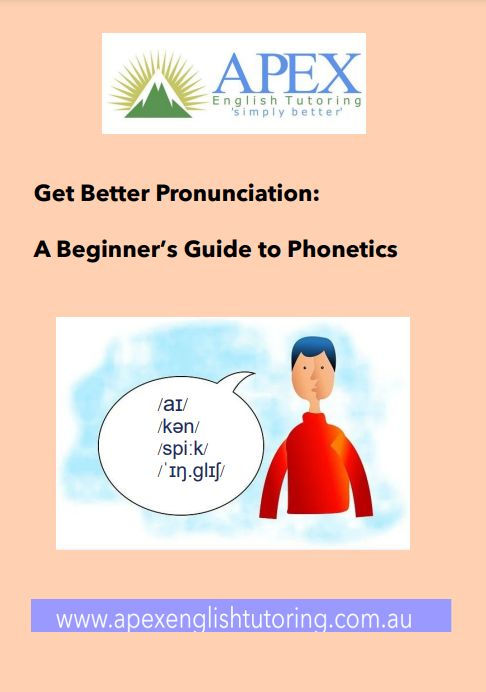
5. Not Knowing Phonetics
Without understanding how sounds work, it’s easy to guess wrong. Learning phonetics gives you a clear guide to correct pronunciation.
I have a great 'freebie' to get started on learning phonetics.
6. Poor Mouth Muscle Training
English sounds need specific mouth movements. If you don’t practise, your muscles won’t move correctly.
Knowing these causes helps you focus on the right solutions. Don’t worry if you recognise some of these in yourself. You can change them with practice!

Tools and Resources to Help You Improve
You don’t have to do this alone. Many tools make learning pronunciation fun and easy. Here are some I recommend:
Pronunciation apps: Apps like ELSA Speak or Forvo help you hear and practise sounds.
YouTube channels: Channels like Rachel’s English or English with Lucy offer free lessons.
Online dictionaries: Use dictionaries with audio pronunciation, like Cambridge or Oxford.
Language exchange partners: Talk with native speakers online to practise real conversations.
Speech recognition software: Tools like Google Voice or Siri can check if your pronunciation is clear.
Try combining these tools with daily practice. You’ll see progress faster than you expect.
If you want to learn a fun and effective exercise to practice your pronunciation I have a great 'freebie' for you to get started.
Or, if you want to get the big picture on Pronunciation you can go directly to the Complete Pronunciation Mastery System.
Best of all, if you need to improve all your English skills, you must see The Complete English Mastery System.
Tips for Teachers to Support Pronunciation
If you teach English, helping your students with pronunciation is key. Here are some tips to make your lessons more effective:
Use visual aids: Show mouth positions with pictures or videos.
Encourage repetition: Have students repeat words and sentences often.
Create a safe space: Let students know it’s okay to make mistakes.
Incorporate games: Use tongue twisters and pronunciation games to make learning fun.
Focus on sounds, not spelling: Teach phonetics to avoid confusion.
Give personalised feedback: Help each student with their unique challenges.
Use technology: Integrate apps and online tools into your lessons.
By using these strategies, you help learners build confidence and improve faster.
Keep Practising and Enjoy the Journey
Improving your English pronunciation is a journey, not a race. Celebrate small wins and keep going. Speak with friends, watch your favourite shows, and try new words every day.
Remember, clear pronunciation opens doors to new opportunities and friendships. You have the power to improve step by step. Keep practising, stay positive, and enjoy every moment of learning.
Better English pronunciation is within your reach. Start today and watch your confidence grow!
Read More on this Topic
© Apex English Tutoring Jan 2026 - Updated Oct 2026

About Me
Hello and welcome!
My name is Michael Finemore and I am the owner-operator of Apex English Tutoring.
As an experienced English Teacher, I'm passionate about helping people turn their 'poor' English into great English, with easy and effective ways to practice.
If you liked this article tell your 'tribe' about it. Click any of the 'socials' below to share it.
Let's connect!
